
RahrBSG Blog
Rice Lager Roundtable: Tips From Award-Winning Brewers
Posted September 1, 2026 in Brewing
We all know the scene. A group of four or five people come into your brewery or taproom and approach the bar. Some look up and almost immediately see a beer they want. But, chances are one of them will stare blankly at the menu for minute, then ask:
“What’s the lightest thing you got?”
“What’s the least hoppy beer you have?”
Or just admit, “I’m not much of a beer drinker.”
Rice lager to the rescue!
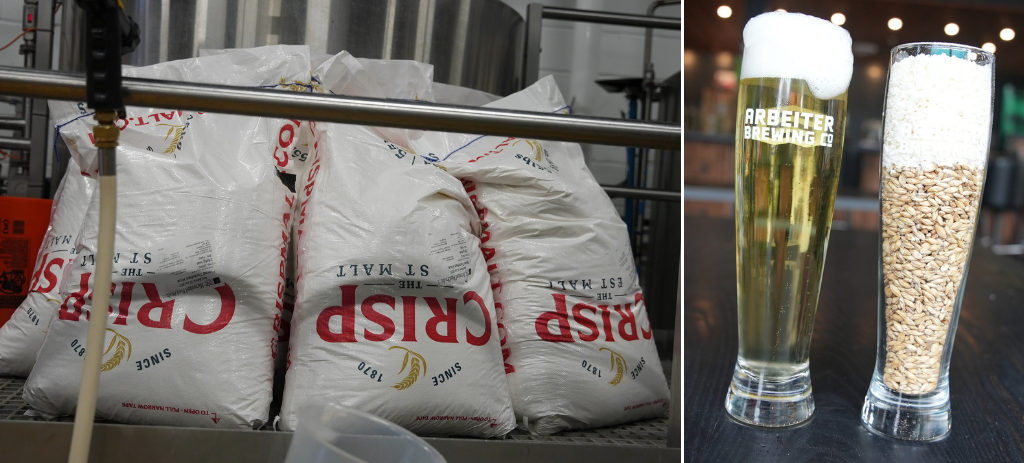
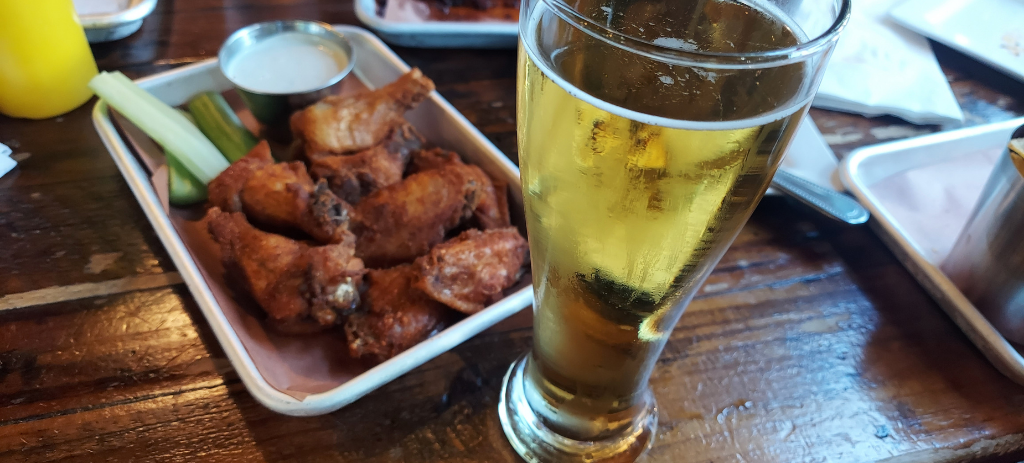
Rice lagers are filling gaps on many menus: full-flavored yet light-bodied beer that’d have to try damn hard to offend any palate. Basically, the opposite of a Triple IPA. And on the other end of the beer geek spectrum, they can be nuanced, sophisticated, and admired for technique. Rice lagers don’t have to be debated – but they can be. They are perfect for when you just want a beer (or three). The epitome of beer-flavored beer, which used to be something that craft beer drinkers frowned upon. But, we’ve all seen that script flip in recent years.
With that in mind, RahrBSG isn’t here to school you on rice lager’s history, catapulted popularity, and finer debatable points (beer writer Joshua M. Bernstein already did that!). Instead, we’re here to pick the brains of a handful of craft brewers – including winners from this year’s inaugural Rice Lager category at World Beer Cup 2026 – on the how and why of their own rice lager offerings: malt and rice product selection, brew day advice, and some thoughts on logistics.
Note: the University of Arkansas is doing amazing research in the field of rice as a brewing ingredient. We’ve linked to their technical resources at the end of this article.
Anatomy of a Rice Lager
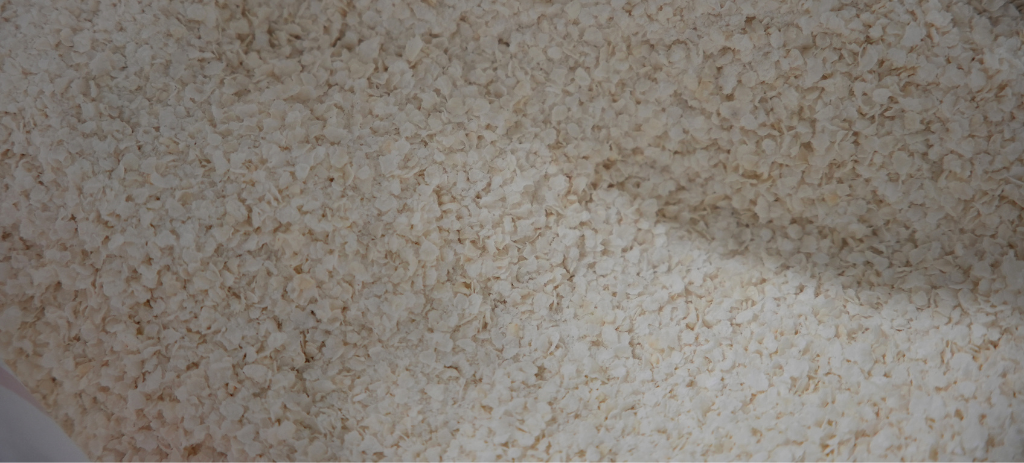
Rice contributes many things to a beer: fermentability, dryness, reduced protein load, and palate lightness without any color addition. While it’s generally considered to remove flavor intensity rather than adding it, more flavorful or unique rice varieties can be quite impactful. In a rice lager, the malt character is often magnified by subtraction. Because rice lowers malt intensity, dextrin content, husk-derived graininess, and protein/polyphenol texture, the remaining malt expression is heightened. All this means that malt selection becomes more important, not less.
As the brewers below illustrate, base malt and rice selection is not monolithic. One size does not fit all. There is room for sly character and personality in these beers, which is found in both the format and inclusion rate of rice as well as the base malt(s) of the beer.
Rice Lager Roundtable
Kanpai Krush Sushi Rice Lager
Brewyard Beer Co. (Glendale, CA)
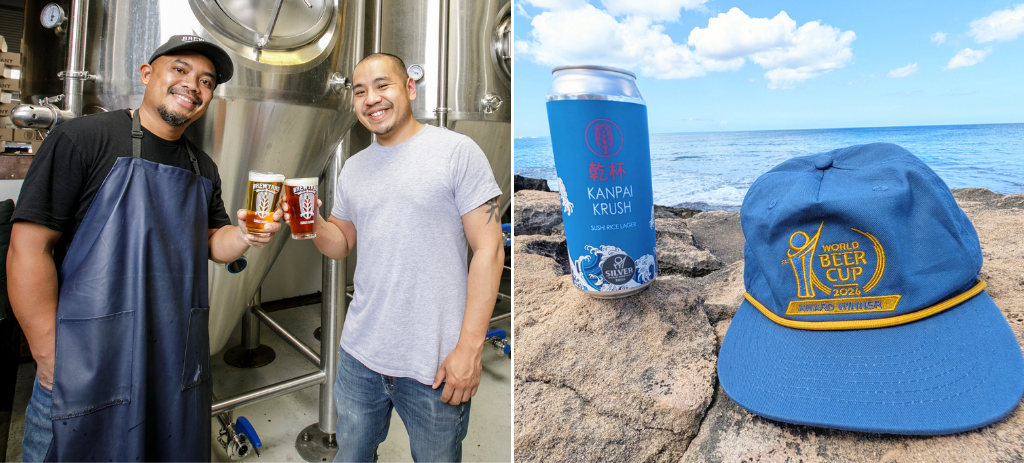
While some people say that rice lager is having a moment right now in the US, Kirk Nishikawa of Brewyard Beer Company jokes, “Rice lager has been having that moment for about 100 years!” This small brewery’s Kanpai Krish Sushi Rice Lager is having its own moment after winning a silver medal at World Beer Cup 2026 in the competition’s inaugural Rice Lager category. “The thing we have to point out to people is that this isn’t anything new,” said Nishikawa. “Budweiser has been brewed with rice since 1876. Chances are some sort of rice lager – or other adjunct lager – is what introduced most people to beer. We’re just getting to a point where craft beer is embracing this ingredient and process instead of vilifying it.”
Early in their rice lager experiments Nishikawa and co-owner Sherwin Antonio asked themselves, “Does rice matter?” As one of the few 100% Asian-owned (Japanese and Filipino) breweries in the US, they understood immediately, “Of course rice matters – at least at the table. When you eat it you can taste the difference between a Japanese medium-grain, polished sushi rice, mochi rice, American long-grain, or Jasmine rice. But does it matter in the brewhouse? To find out they brewed with many different styles of rice and discovered what they considered impressive differences affecting everything from residual sweetness (or impression thereof) to flavor and aroma. They also found a notable difference when brewing with shelf-stable rice products versus freshly cooked rice.
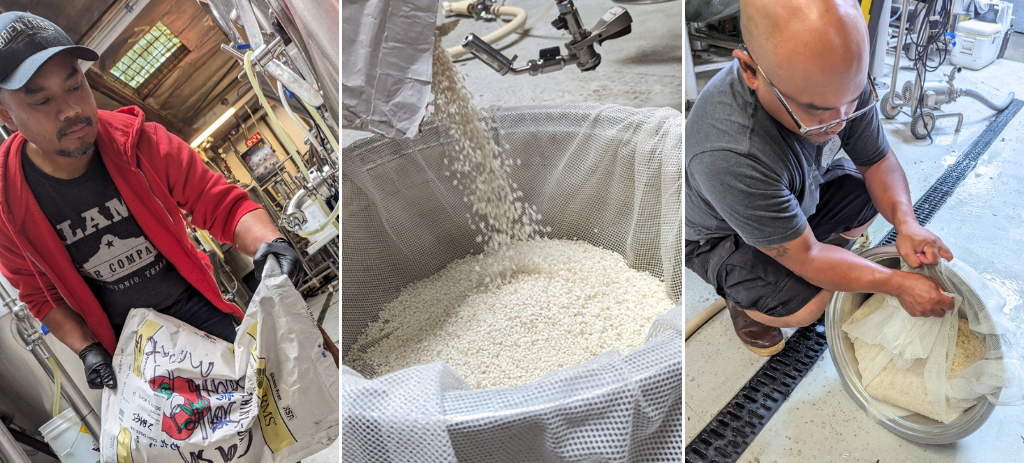
Those efforts produced Kanpai Krush. It is brewed with 70% Rahr The Brewer’s Standard™ 2-Row, 15% Crisp Flaked Torrefied Rice and 15% premium sushi rice – that’s 100 pounds of sushi rice cooked 55 cups at a time in a commercial cooker, which Antonio describes as an absolute pain and a labor of love. (“We eat a lot of rice for lunch,” he joked.) The cooked rice is added to the mash along with the pre-gelatinized flaked rice, which they find provides low toasted notes since it’s already been cooked at high temperatures and rolled into thin flakes. The combination creates a cross between nutty and toasty that complements the cracker/biscuit flavors of the malt with a super clean, crisp finish – a perfect krusher on a dry, hot SoCal afternoon.
They also noticed a big difference between brewing with L.A. city water versus using R.O. water and then building a profile around what you want out of the beer. “To be honest, I mimicked a hazy IPA water profile at 1:2 sulfide to chloride,” said Antonio. “That helped soften the mouthfeel which is what it really needed. But, it’s not heavy like a hazy because you don’t have all the oats and/or wheat in there.”
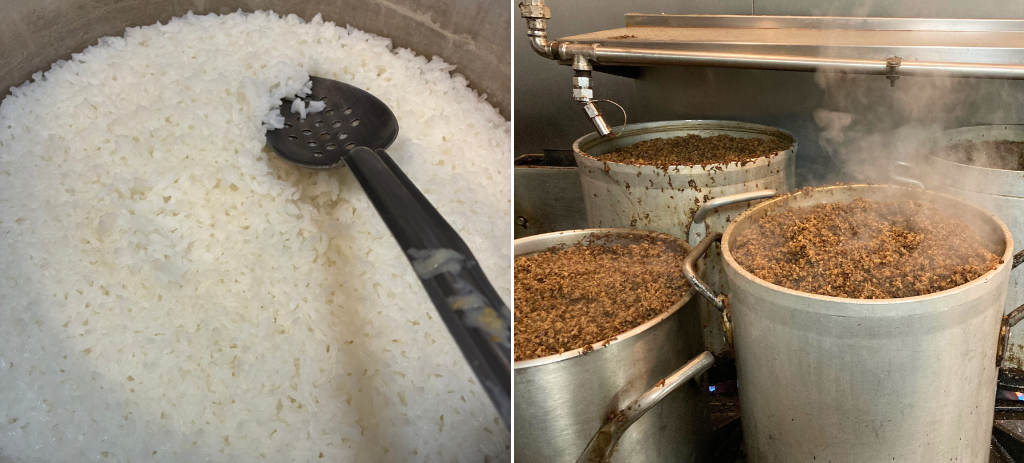
Need more “home cooking” inspiration? We love these photos from Northbound Smokehouse and Brewery in Minneapolis where the brewers include rice in two seasonal favorites. They cook 50 pounds of Jasmine rice for their summer crusher Jasmine Rice Lager and 50 pounds of Minnesota-grown wild rice for the falltime-friendly Wild Rice Amber Bock. This is done in large kettles in the restaurant kitchen (and/or homebrew burners) before adding the cooked rice to the mash tun along with more uncooked whole rice that’s been milled alongside the malt. Shout-out, Northbound!
pFriem Japanese Lager
pFriem Family Brewers (Hood River, OR)
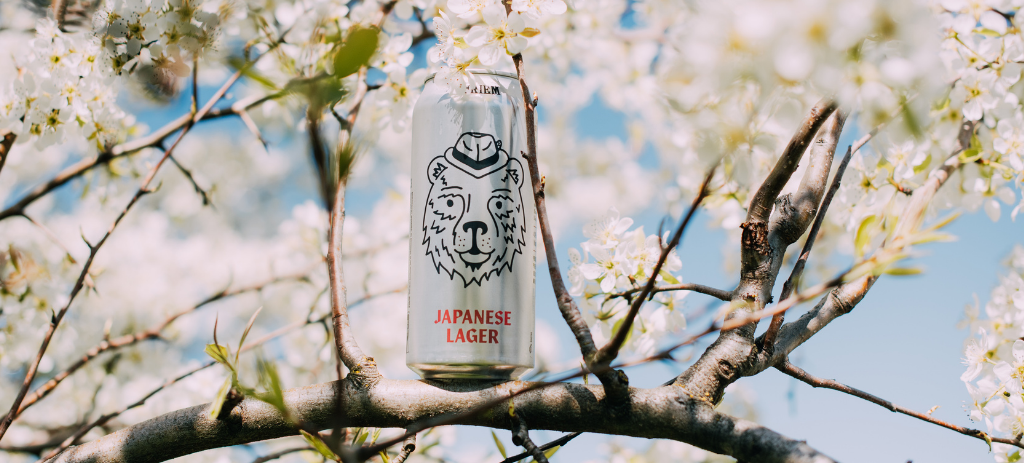
Rice lager has become a big part of the pFriem Family Brewers portfolio. pFriem Japanese Lager started as a seasonal release in 2018 – a “passion project” as brewing operations director Campbell Morrissy explained it. Over the years it won awards in both the U.S. and Europe, recently taking the bronze medal at World Beer Cup 2026. Last year it moved into year-round production where it sits among the brewery’s fastest-growing brands, which in turn has created some logistical challenges AKA good problems to have.
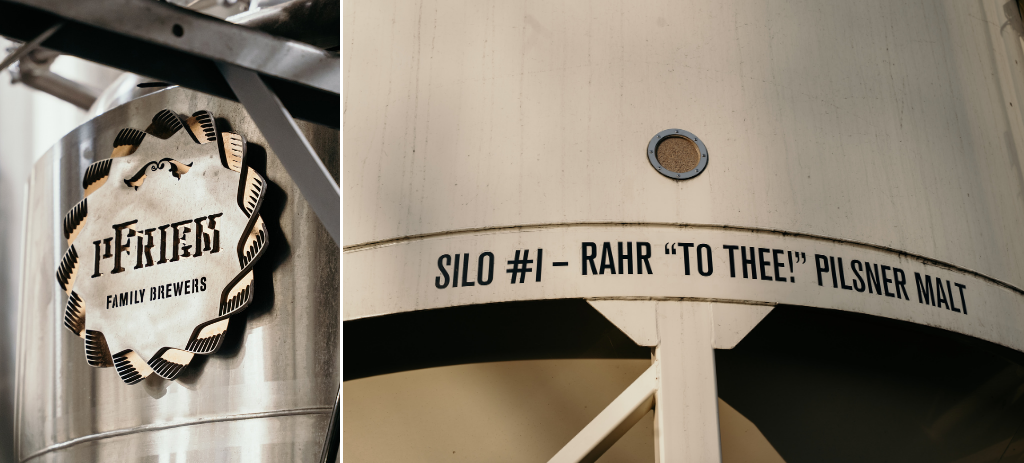
The recipe for pFriem Japanese Lager pays homage to great commercially available Japanese lagers. It includes a combination of base malts, where 80% of the grist is split almost evenly between Rahr To Thee! Pils™ and Weyermann® Pils. Morrissy, who as a brewer and malting barley researcher was integral in the development of Rahr To Thee Pils®, explains that the brewery always aimed for “blendability” with the malt. “We like to blend Pils malts. To Thee! Pils is the backbone of the beer, and Weyermann® is a more full-flavored malt due to restricted modification and overall lower protein. That lends a nice toasty richness that supports the delicate hop and rice character. If we used only Rahr To Thee! Pils®, it might come off a bit too delicate. True Japanese lagers have a richness, a toastiness that you just don’t get from rice adjunct American light lagers. That, to me, is the difference between them.”
For the 20% rice component of the beer, originally pFriem used Rice Syrup Solids, similar to how one might use dextrose, adding it to the whirlpool. A few years ago, they upgraded brewhouse functionality to utilize a cereal cook. Currently, they use pre-milled medium-grain rice ground to a polenta grit-like consistency; this is cooked via double mash in a single vessel mash tun. Rice is combined with water and heated to just below boiling for gelatinization. Grains are mashed in behind that using the mash to cool the rice/barley grist to target mash temperature. Morrissy says the process yields great extract and attenuation.

The kind of growth pFriem Japanese Lager has seen creates its own set of challenges that Morrissy and the pFriem team are eagerly working to solve as sales push the beer’s volume beyond 4,000 barrels this year, production of which will require between 30,000-50,000 pounds of rice in the coming year. Making the beer a bigger part of their production portfolio means optimizing the brewhouse for efficiency and ergonomics (that’s a lot of bags of rice to haul up to the brew deck!) and better understanding rice as a key adjunct in brewing.
“I’m a big fan of adjuncts as a component of beer,” said Morrissy, “and they need to play a bigger role as we expand craft beer and bring more people into the fold. There is so much we can do with them. And as someone who is fascinated by all things supply chain, I’m into learning about this and how we can become better brewers because of that.”
Audrey American Noble Pilsner
Seiso Japanese-Style Lager
Alma Mader Brewing (Kansas City, MO)
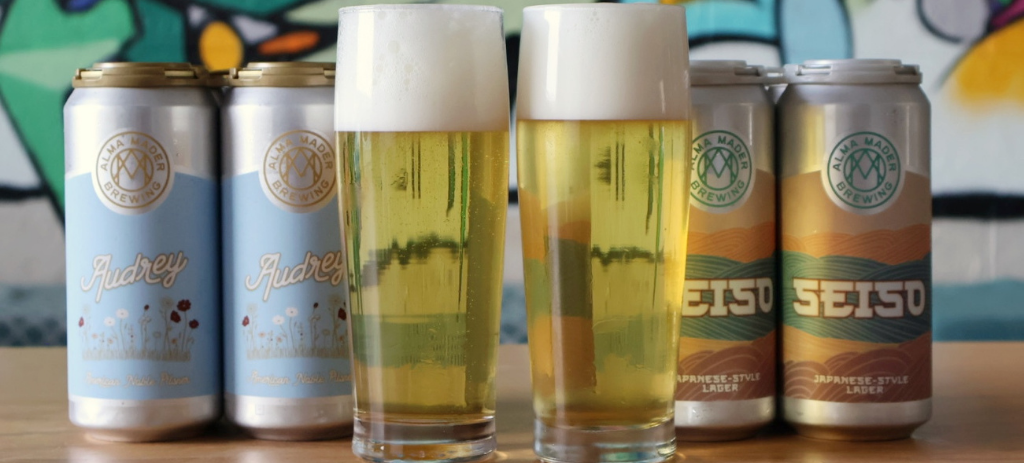
Founder/brewing director Nick Mader had the same goal for two rice lagers at Alma Mader Brewing: lean, highly drinkable beer with high attenuation, low FG, and balanced bitterness. He took two different approaches to get there.
Mader calls Audrey American Noble Pilsner (5% ABV) a showcase for North American ingredients. It is brewed with 90% Rahr North Star Pils® and 10% OiO Flaked Rice, then hopped (including a delicate dry hop) with Oregon-grown versions of German noble hops, giving the beer bright lemon peel and floral notes. “Domestic Pils malt have gotten much better over the years,” said Mader. “North Star Pils is so awesome and lean – it’s also the base malt for our IPAs – that we wanted to spotlight what Rahr is doing on the malting side in a beer like this that also lifts up American noble hops. And the color is incredibly pale!”
Seiso Japanese-Style Lager (5.0% ABV) is an homage to Asahi Super Dry, which became one of Mader’s all-time favorite beers after enjoying it super fresh during an MBAA course where Asahi employees were his fellow students. He designed his interpretation from that core beer memory: European malt with rice, more robust in malt character, but less hop-forward than Audrey. Seiso is brewed with 85% Weyermann® Extra Pale Premium Pilsner Malt, 15% OiO Flaked Rice, and Czech Saaz for layered flavors of honeysuckle, herbal tea, and bread dough.
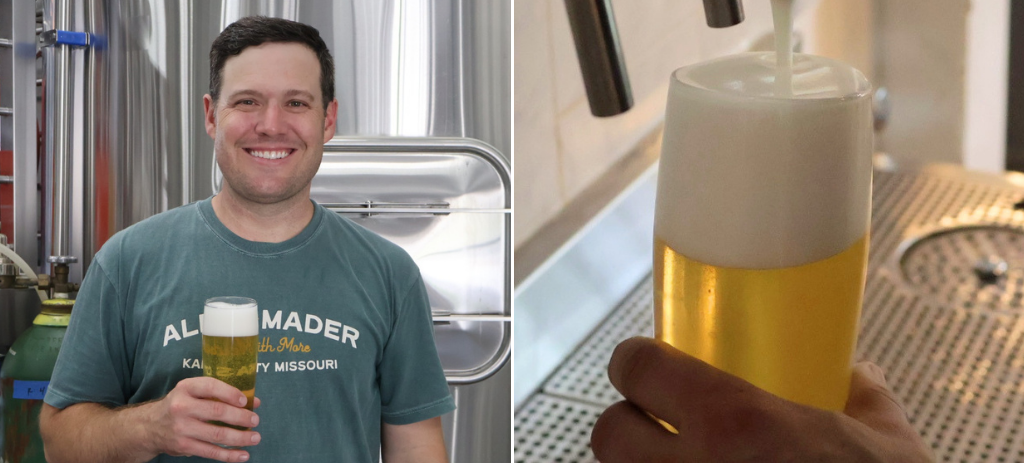
“We have a simple two-vessel brewhouse with no capability for decoction or cooking. Using OiO Flaked Rice creates great wort that translates to a great lager beer. That along with Weyermann Extra Pale is perfect harmony for a beer like Seison to show off its malty side a bit more than Audrey.”
Seiso is quite popular in the taproom and has become the focus of other activities. Local KCMO Master Cicerone Neil Witte frequently brings his Ritual Pour event to the brewery where Seiso is served via different methods to educate drinkers on the importance of the pour and presentation. Another cool thing, especially for the hot weather, is something the brewery calls ‘an iceberg’ where they top Seiso with a dollop of Yuzu Sake Spritzer from the frozen drink machine. Mader says it makes the beer super cold and gives it a bright herbal, lemon-y flavor.
Mader says it is great to watch rice lagers getting their flowers at this moment. “From everyday beer lovers to high-end restaurateurs, rice lagers are catching the eye of everyone. We’re excited to give the people what they want.”
Tokki Korean Rice Lager
Arbiter Brewing Co. (Minneapolis, MN)
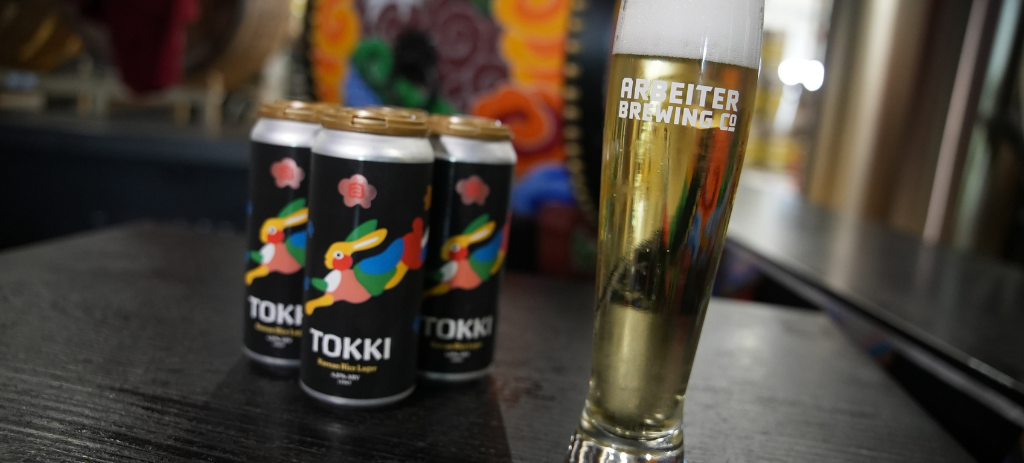
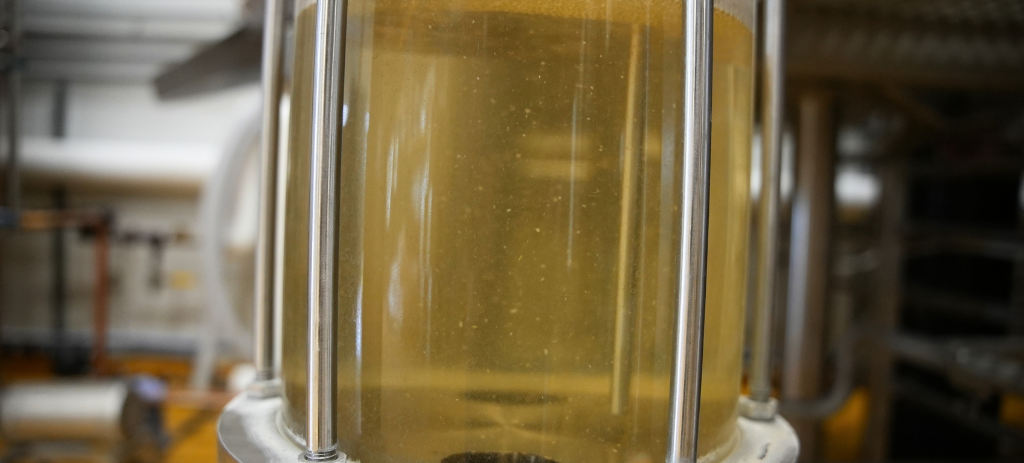
When Arbeiter Brewing Company head brewer Aaron Herman first brewed Tokki Korean Rice Lager (4.6%) about three years ago, he was actually concerned by the brilliant clarity and super-low color of the wort. “I panicked a bit when the first runnings hit the sight glass. Like, did I not flush the heat exchanger properly?! It was so damn pale: practically water clear with an extremely light straw color.”
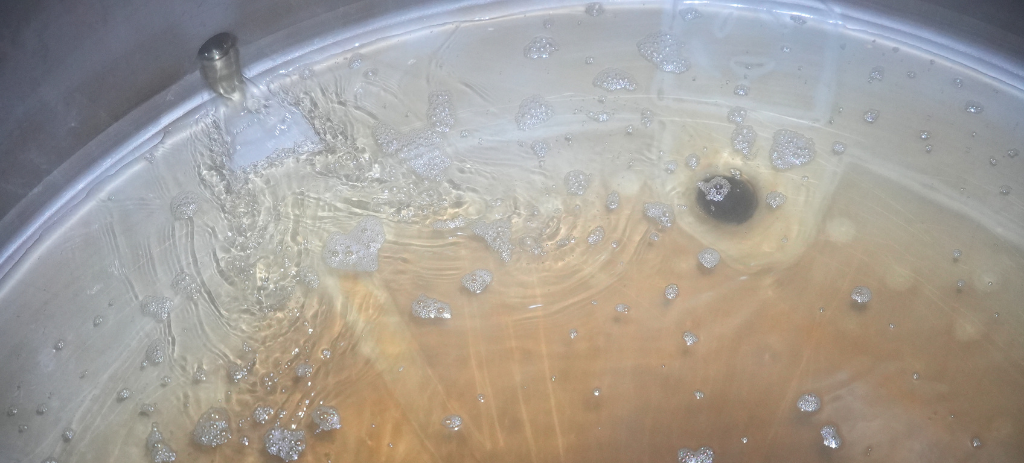
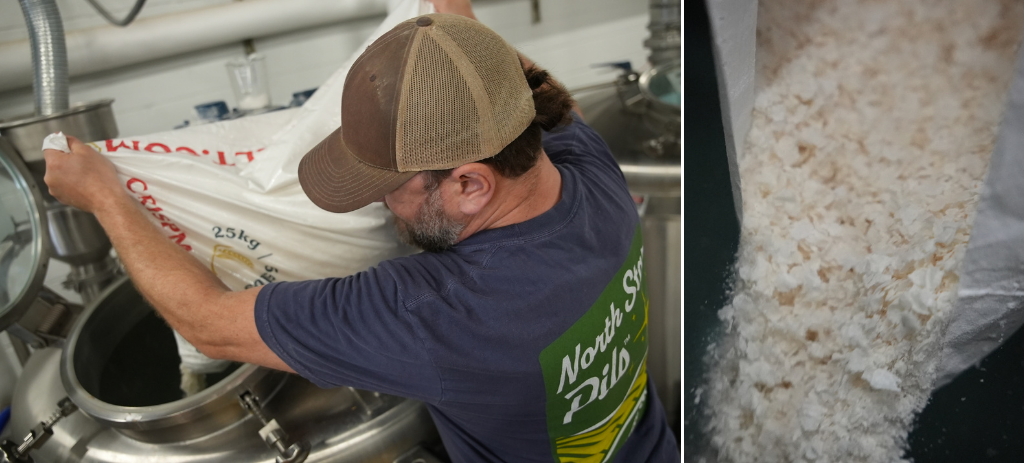
You can chalk that up to Arbeiter’s use of nearly 40% Crisp Flaked Torrefied Rice and 60% Rahr North Star Pils™, a malt cherished on its own merit for very low color (1.5 – 1.9°L). Herman uses North Star Pils in many of the brewery’s ales and lagers for its light cracker and grain notes, with a small amount of malt sweetness. Specifically in a rice lager, he says the fact that the malt is slightly undermodified means its increased diastatic power is ready to put in work and help convert rice starch to fermentable sugars.
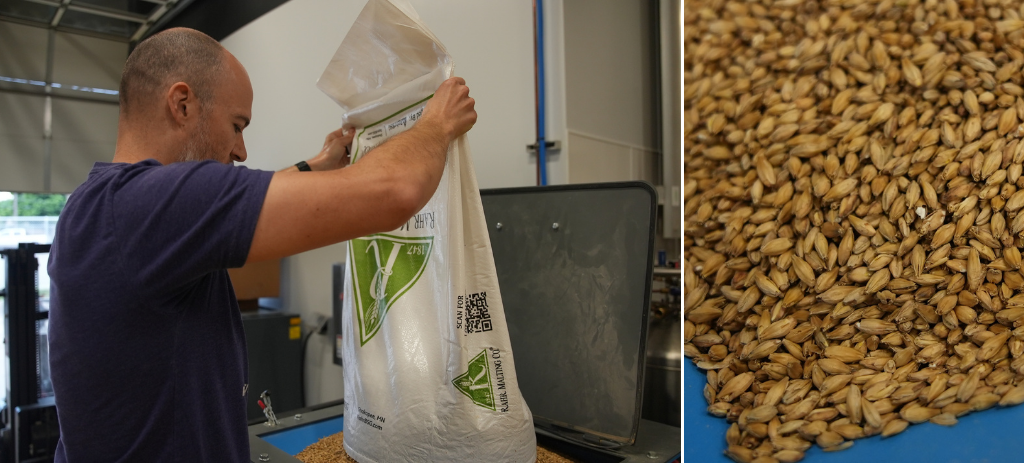
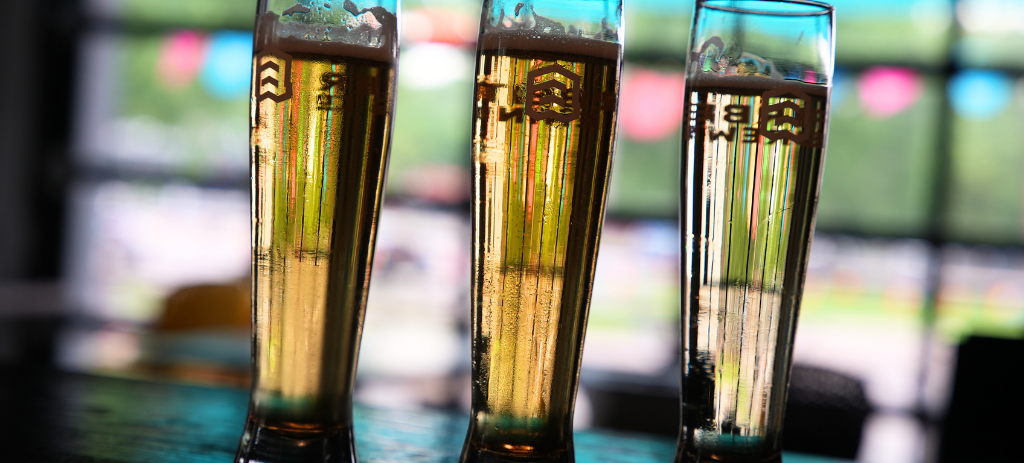
“We mash really low, like 144-147°F, with a long beta rest. I tried reducing the mash time to keep our double-turn brew days at least a little shorter, but noticed our FGs starting to sneak up. When we went back to the long, lower-temp rest – giving the grain and rice all that time together for full conversion – we got better fermentation and the FGs back to where we want them, ideally less than 2.5°P.” Bittered with Magnum and flavored with a small dose of Saphir, the end result is an amazingly light colored, crisp, easy-drinking beer that earned the brewer a gold medal and 2nd Best of Show at 2024 MN Brewer’s Cup.
Two other advantages we noticed from our brew day ridealong: ease of mash-in and quick grain-out. For Arbeiter’s 10 bbl brewhouse, Tokki is just five bags of Rahr North Star Pils® into the mill and three bags of flaked rice poured directly into the mash tun from the deck. The whole mash-in process takes less than 15 minutes. And because the flaked rice basically all but disintegrates during the mash process, the mash bed depth is lower than usual, making grain-out a breeze. Just some cool real-life “nice to haves” on top of a delicious final beer.
Super Lao Key Sticky Rice Lager
Wandering Leaf Brewing Company (St. Paul, MN)
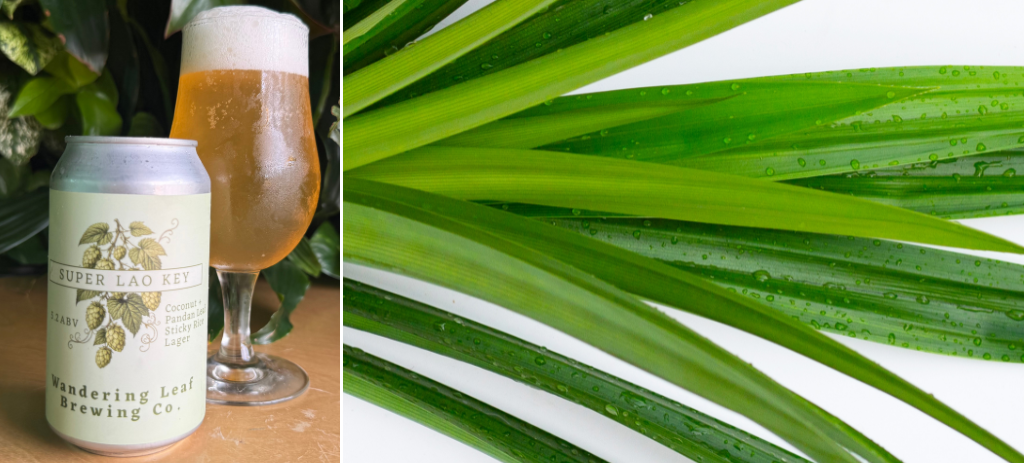
For Super Lao Key Sticky Rice Lager (5.1% ABV), Wandering Leaf Brewing Company takes a very different approach. Whereas most rice lagers are brewed to be clean, crisp, dry, dare we say ‘neutral’, this beer is packed with unique flavor and drinks more like a “dessert beer” than an everyday crusher – although, to be fair, you can certainly still crush it. Chief Janitorial Officer (AKA: co-owner, head brewer, finance guy) Matt Holton designed the recipe in collaboration with their restaurant neighbors Soul Lao to emulate Laos-style sweet sticky rice desserts, comforting treats made with glutinous rice and rich coconut milk they’d grown up eating. To get there, Wandering Leaf brews a rice lager consisting of 80% Weyermann® Pilsner and 20% Crisp Flaked Torrefied Rice. Add coconut extract and pandan leaves to the mix and you have a beer that is fairly light, yet surprisingly decadent.
“Pandan leaf has a lot of fun vanilla, green tea, and umami character. Combine that with high-quality coconut extract and you have a beer with a nice coconut accent and flavor. The pandan leaves go into the whirlpool hot around 200°F at an inclusion rate of roughly 1lb/bbl. They’ve used fresh, frozen and powdered form, and find frozen works best for flavor extraction.
The beer is mashed fairly hot in a single infusion, around 154°F; since it is such a light beer they want more body to come through on the finish than if it were mashed cooler. “I do that instead of using something like lactose that would take it a bit too far in that direction. This is still very drinkable. The richness of Weyermann® Pils is also a part of that supportive malt sweetness in the finish. The pandan leaf and coconut add their own body and mouthfeel as well, so there is a lot going on flavor-wise.”
Rice is Nice!
Full disclose: we were already huge fans of rice lagers even before setting out to write this article. Talking with the brewers featured here only got us more amped on the style and the many great reasons for you to brew a rice lager, or with rice just in general. Think of how the adjunct might work not only with rice lager, but in West Coast Pils, West Coast IPA, Cold IPA, or other fantastical hybrids: a Vienna Rice Lager and Rice Saison were spitballed during our conversations, and we’d love to taste both of those, please and thank you.
Contact your RahrBSG sales or CS rep for more ideas and to order excellent base malts and rice products for your mission. We’d also love to see what you’re brewing. Tag @RahrBSG in your brew day videos or photos so we can share them with other brewers.
More from RahrBSG Blog
- The Year of the Lager: Has It Been Here All Along?
- The Story of To Thee! Pils™
- In the Brewhouse with Rahr To Thee! Pils®
- Four Core Malts for Every Brewer
- Beyond SRM: The Blueprint for Low-Color Beer
University of Arkansas Resources
- Investigating the Malting Suitability and Brewing Quality of Different Rice Varieties | Technical Article
- As Competitive Grain for Malting, Rice May Open Door to Increase Domestic Demand
- Discover RED: From Grain to Glass (with video)
- Rice Rebels: Research Reveals Grain’s Brewing Benefits