
RahrBSG Blog
The Establishment Brewing Goes Anti-Establishment in Crafting Award-Winning Beer
Posted November 9, 2026 in Brewing
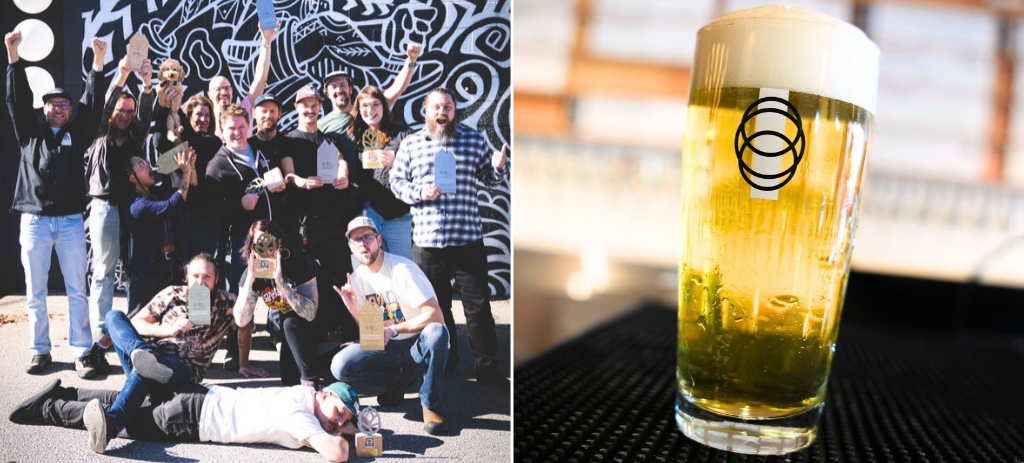
Mike Foniok of The Establishment Brewing Company on the Power of Doing (and Brewing) Your Own Thing
From homebrewing with friends to becoming one of Canada’s most respected breweries, The Establishment Brewing Company has built its reputation on an obsessive focus on beer quality—and a willingness to question conventional brewing wisdom. Based in Calgary, Alberta, the brewery was founded in 2019 by Mike Foniok and fellow homebrewers Brandon Hart and Dave Ronneberg. In that time, the brew team has developed a diverse portfolio spanning modern IPAs, classic lagers, barrel-aged and mixed-culture beers, while winning some of the country’s most prestigious beer awards.
We spoke with Mike Foniok about The Establishment’s origins, its approach to malt and recipe design, the evolution of West Coast IPA (ever heard of an Alberta IPA?), mixed-culture brewing, collaborations, and why sometimes the best brewing question is simply: “Why?”
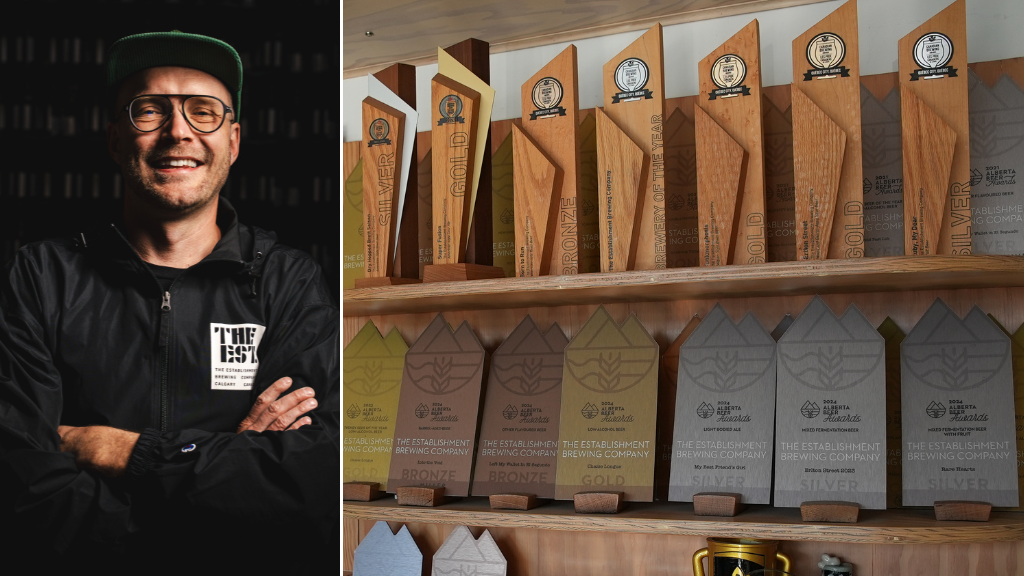
RahrBSG: The Establishment started with three friends who were homebrewers. How did that evolve into the brewery you have today?
Mike Foniok: Myself and my two business partners, Brandon and Dave, were homebrew friends. We essentially cut our teeth homebrewing together with the Cowtown Yeast Wranglers Homebrew Club here in Calgary. We called the house we started in The Establishment. There are a lot of stories of people moving from homebrewing to professional brewing. Ours is quite similar. However, we didn’t have any professional brewing experience.
When we opened in 2019, we developed our own ways of doing things. I think that really makes our beer unique. When you start with a clean slate and use your background knowledge without being overly influenced by the status quo of how production brewing “should” be done, you develop some new techniques and perhaps have a more open mind about how to brew beer.
From the beginning, our motto has essentially been: beer first, ask questions later. Focus on beer quality. It’s a very simple business model. Make the best beer possible, and everything else will fall into place. We’re aligned on our values that way, and that’s taken us over the past seven years to Canadian Brewery of the Year in 2021 and four-time Alberta Brewery of the Year. Personally, I’m super proud of that.
RBSG: You have a reputation for making a wide range of styles. What are some of the beers that represent what The Establishment is interested in right now?
MF: We don’t shy away from any styles. We love jumping into new styles, but we also enjoy representing historical styles that may be forgotten or aren’t as sexy.
In terms of newer styles, we’re inspired by West Coast producers making lean, drinkable beers with impactful hop character. Modern West Coast IPAs without crystal malt, really low finishing gravities, and West Coast Pilsners are our jam these days. We’re excited about clear, light-colored beers that have a lot of hop impact. We’re also known for hazy IPAs and double hazy IPAs.
Historically, we’ve made things like Kölsch and Kölsch-inspired beers, German Pilsner, lots of Czech-style lagers, and a lot of IPAs and lagers in general.
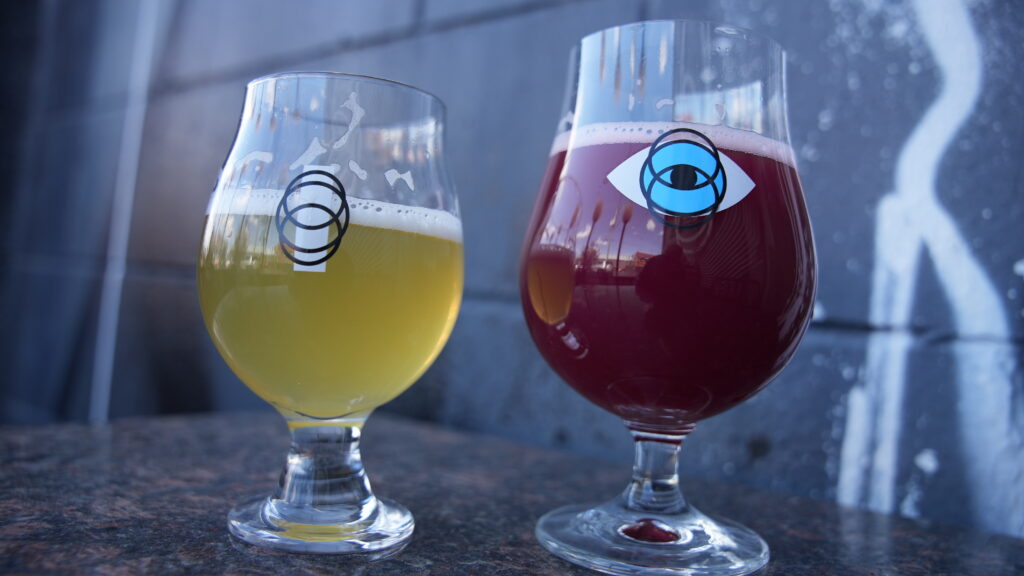
RBSG: The Establishment gets a lot of love for its mixed-culture program, which represents a relatively small part of your production but seems to play a much larger role in the identity of the brewery.
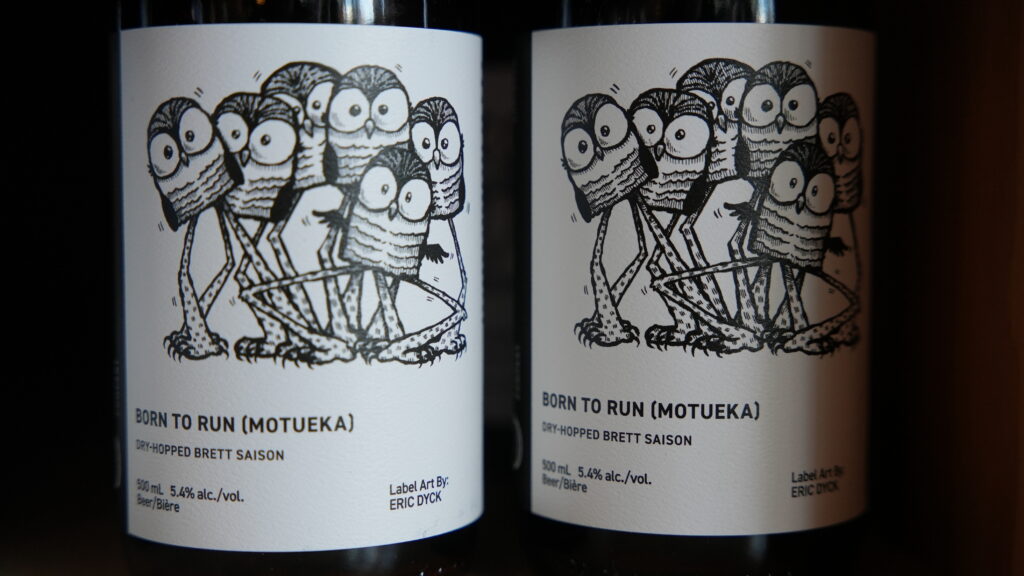
MF: Absolutely. We do a lot of barrel-aged mixed-culture beer, and we also do some stainless-steel-fermented mixed-culture beer. One of the notable ones is Chaise Longue, a 2.9% table beer. That one is really close to our heart because it’s very much a time-and-place beer—a terroir beer. It uses locally produced, floor-malted organic Pilsner, locally grown hops, and our house yeast and mixed culture. That beer evolves with the seasons and evolves with the house culture we have. It’s truly a time-and-place beer, and we’re really fond of that one.
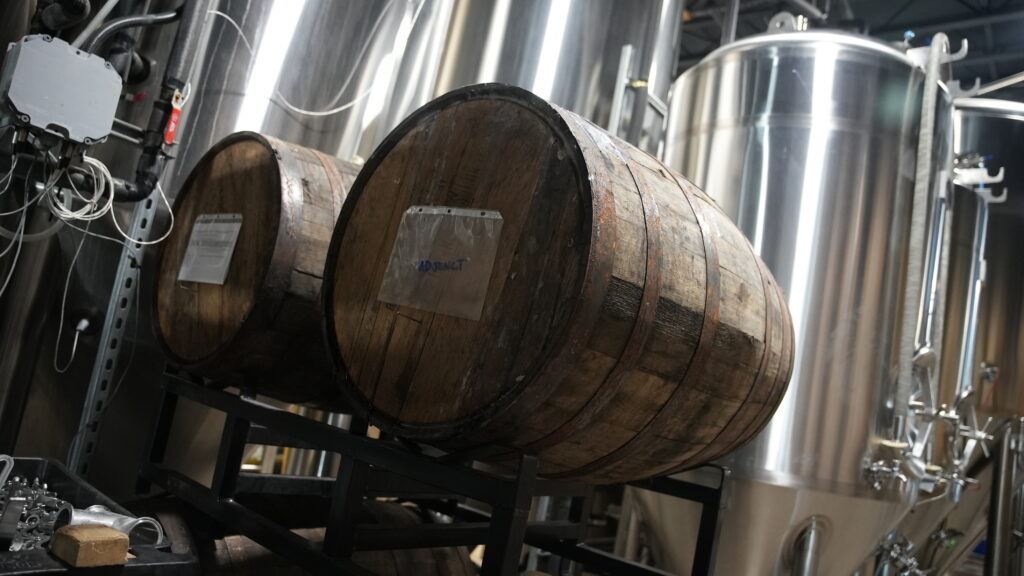
We also have a bunch of barrel-aged beers that we make, including lambic-inspired beers. That’s probably one of those historical styles that not a lot of people are making anymore. Every year we release a beer called Erlton Street, named after the street where the house was located where we all got together and cut our teeth homebrewing. We use that name for our yearly lambic-inspired anniversary blend.
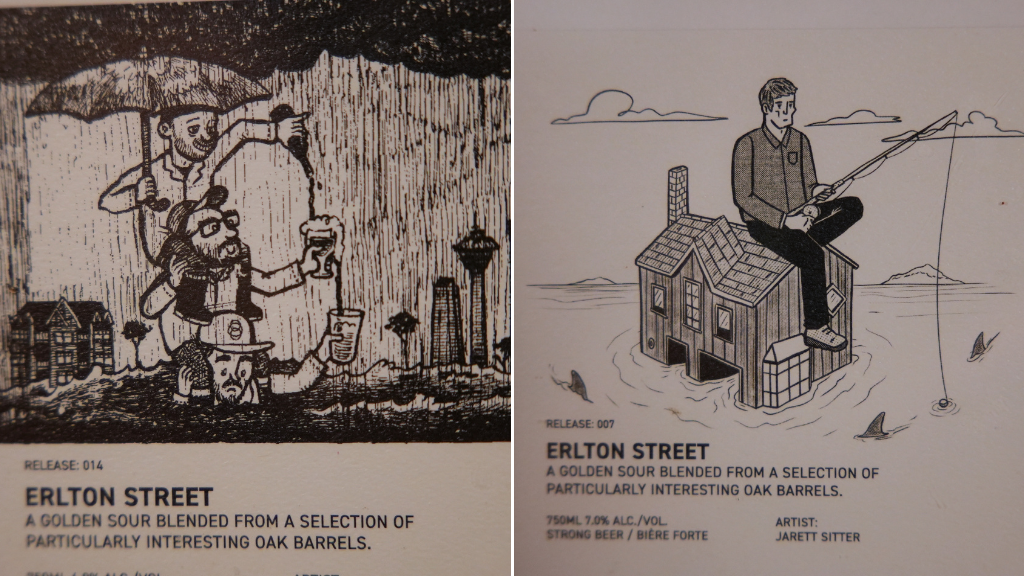
We’re one of only a handful of producers in Alberta really focusing on this kind of beer. The total volume we sell is quite small compared with our packaged clean beer, but we still really want to introduce people to it.
I think it’s such a special style of beer. It’s been around for generations—it’s kind of the original beer. Mixed-culture, barrel-aged beer has these original flavors that are hard to come by today, and we really want to make sure people get a chance to taste them.
RBSG: How much production space and attention does that program require?
MF: The barrels take up a ton of space. We sell about 2–3% of our total volume as mixed-culture beer, but it takes up about 60–70% of the floor space in the production area—and about 60–70% of our mental capacity just thinking about it.
It’s a lot of work. But we have a great team, including dedicated team members who are passionate about running that program. To make those kinds of beers right, you really have to go all in. You have to have a lot of passion for it. And that’s what we love doing here: letting our passion dictate our business decisions.
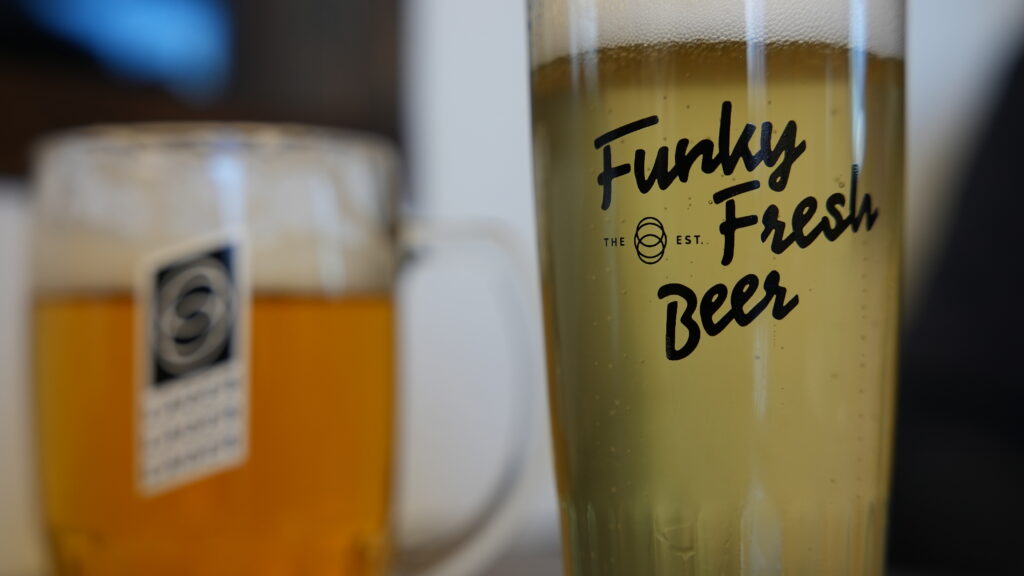
RBSG: The mixed-culture program also seems to influence how you think about beer more broadly.
MF: Definitely. We’re not afraid to challenge conventional wisdom. For example, we have mixed-culture organisms in our brewery, and I think a lot of people would say, “You have to keep that separate.” Our response is: Why? Another example is bright tanks. I was told when we started that we had to have bright tanks. I asked, “Well, why? What’s the reason?” If you don’t have bright tanks, you have fewer transfers and potentially less oxygen exposure. So we thought, let’s give it a shot.
We try to do things a little unconventionally, but we’re still following the technical knowledge. We’re not being different just for the sake of being different. We’re asking why something is done a certain way and then seeing if there’s another approach that makes sense for us.
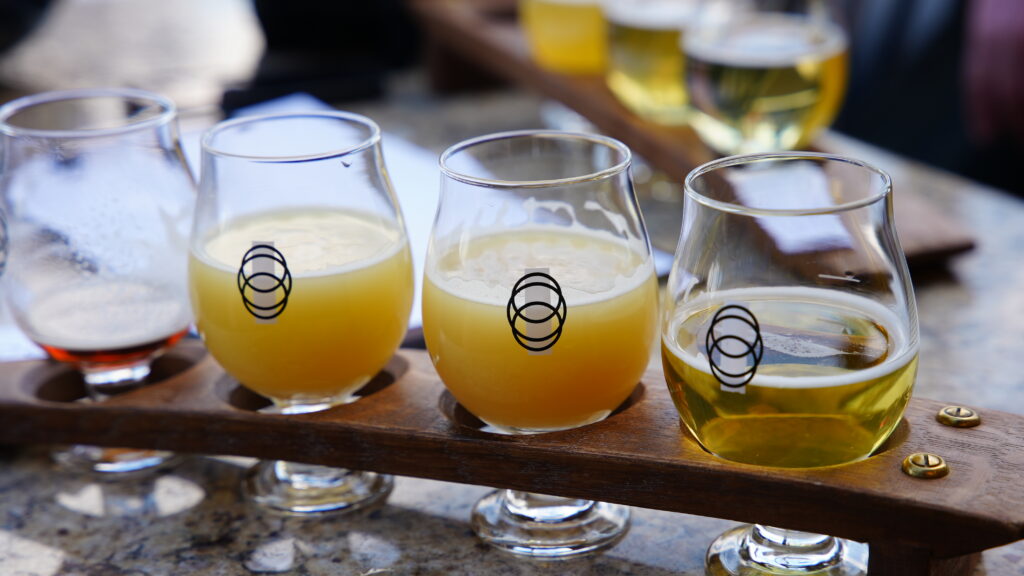
RBSG: Let’s talk about malt. You recently switched your base malt to a Rahr To Thee Pils™. What did you discover when you started brewing with it?
MF: The majority of the beer we produce is hop-forward, so we wanted to make sure the base malt would function well in hop-forward beer. We did a blind trial, essentially switching the base malt to To Thee Pils in our core hazy pale ale, Afternoon Delight, which we produce a lot of and are very familiar with.
I didn’t think it was going to be that big of a difference. I mainly wanted to make sure it wasn’t too big of a difference. But it turned out that the hop expression was way cleaner and brighter, and it honestly shocked me. I didn’t even think base malt could make that big of a difference in a hop-forward beer. I knew it could make a difference to a certain extent. A base malt can get out of the way a little bit so the hops can shine. But the impact we got in our blind side-by-side trial with another base malt was stark and obvious, even better than we expected.
RBSG: What else were you looking for from To Thee Pils?
MF: Color was important. We really like that pale, almost milky color in our hazy beers, as well as very light color in our West Coast beers. On paper, the malt looked great for that. We also liked the low DMS potential, which allows us to do a shorter boil and help keep the color down. We were happy with all of that on paper. But when we actually put our noses to the beers, we said, “The hops actually smell way better on this one!” So, we were super stoked and pretty much immediately switched over. I’m really looking forward to seeing how it can help our hop-forward beers get even better hop expression.
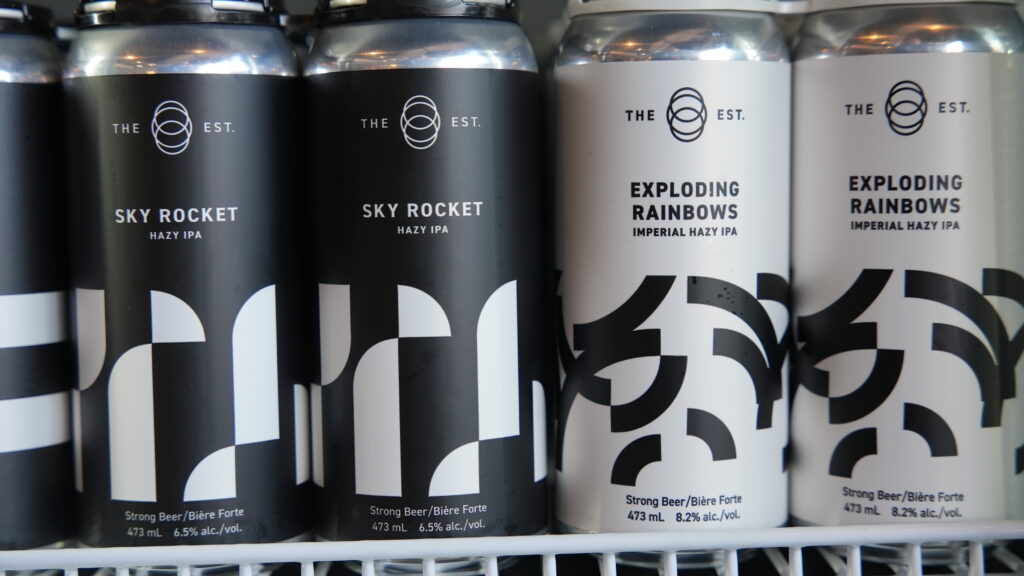
RBSG: Do you generally prefer a single base malt for your hop-forward beers, or do you like to blend base malts?
MF: For our hop-forward beers, where we’re really focusing on low color—both our West Coast-style beers and our hazies—we generally aren’t blending base malts. We’ve played around with it a little bit, but in general we’re looking for the malt to take a step back so the hops can shine.
With our Pilsner production, though, we do like to blend. For something like a West Coast Pilsner, we think blending adds a little bit of complexity to a beer that doesn’t have a lot to hide behind. We like to use around 30–40% of Weyermann ® Floor Malted Bohemian Pilsner malt to give it a little bit of that European flair. We really love that malt. For us, West Coast Pilsners need just a little bit of that European touch. It should smell like a West Coast beer, but then have some of that Pilsner finish. Blending malts helps us get there.
In our German Pilsners, we also like to blend in small amounts of other base malts. Around 5–10% can go a long way toward creating some complexity in a beer that’s otherwise primarily Pilsner malt. At larger percentages, we find that some of those malts can become a little nutty. So, yeah, we love blending malt. It just depends on the beer.
RBSG: Your approach to West Coast IPA is also shaped by the Alberta market. How has that market responded to the modern, paler interpretation of the style?
MF: That’s been an interesting challenge. We actually have to call our beers Modern West Coast IPAs, because the consumer market here still expects an amber color when they think about West Coast IPA. We’re like, “No, absolutely not. Have you been to the West Coast in the last six years?”
Alberta’s craft beer landscape took an interesting journey. There were laws that made it difficult to open a brewery unless you were a certain size, so there wasn’t much craft beer apart from a few larger players. Those breweries were making traditional early craft beer styles, which often had quite a bit of crystal malt in their IPAs. The majority of consumers became accustomed to that flavor profile.
It’s only been relatively recently that those laws changed and breweries of any size could open, and there has been rapid growth in craft beer here. The interesting thing about Alberta is that we always had access to international beer. Our retail market was fairly open, and you could import beer from around the world. So, consumers were educated about beer styles, but they were also used to what they thought a West Coast IPA was based on what was being produced locally. We jokingly call that the “Alberta IPA.” It’s amber-colored, around 7%, and basically a hopped amber ale. I think people like it because they’re accustomed to it, and maybe there’s some nostalgia attached to that flavor profile.
When we brew our West Coast IPAs, calling them Modern West Coast IPAs helps people wrap their heads around the idea that this lighter, drier beer is also a West Coast IPA.
RBSG: What do you think has driven the movement toward these leaner, more drinkable IPAs?
MF: I think it’s exactly that: drinkability. When we brew our modern West Coast IPAs, it’s like: Can it just keep getting drier? Lean beers are the way. If you have a pint of something and you want to drink a second one, that’s when you know it’s a good beer. Drinkability is obviously number one. And the best way to get drinkability, in my opinion, is a lean finish and a really low finishing gravity.
RBSG: You collaborate with breweries in both Canada and the United States. What makes a collaboration worthwhile for you?
MF: For us, collaborations are all about learning from each other and getting inspired by each other’s work. We approach breweries that we respect. Usually the conversations are lengthy and quite detailed from a technical perspective. It’s important for us to make sure the collaboration is meaningful. You put a lot of work into these beers, so we don’t want to just throw collaborations around loosely. You always learn something new in a collaboration. That’s why I personally love doing them: learning new methods, trying new methods, pushing things, and seeing what happens. If you push the status quo or challenge what you know, that’s the best way to learn and continue learning in this industry.
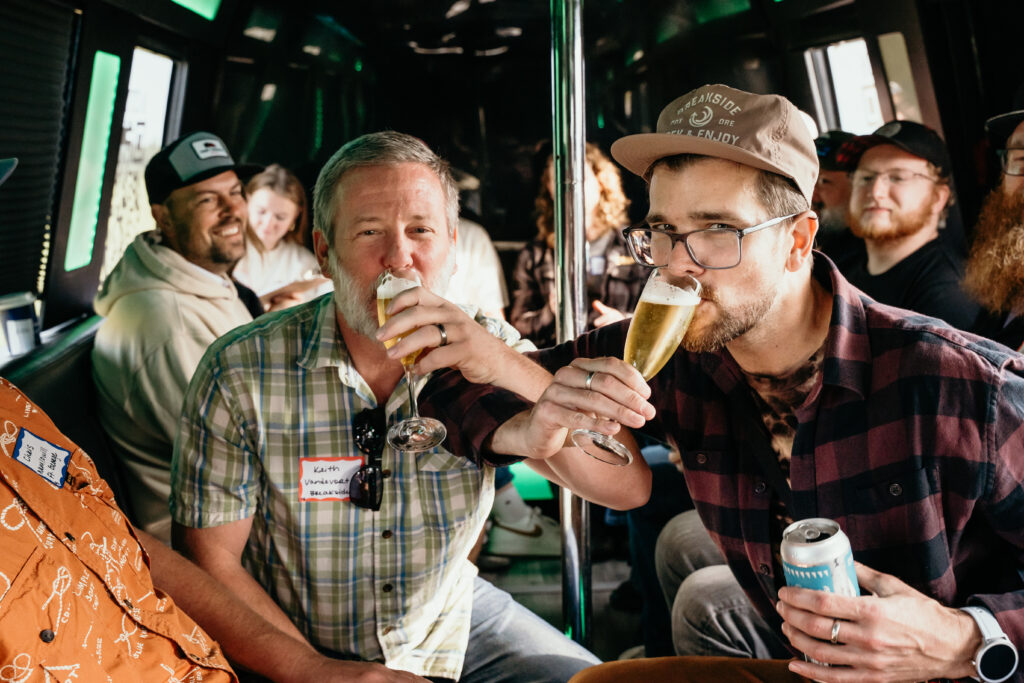
We try to travel to the breweries we’re collaborating with whenever possible. In some cases, that’s not practical, so we’ve done virtual collaborations. We recently did a virtual collaboration with Breakside Brewing in Portland, Oregon, where we made a modern West Coast IPA. Even when they’re virtual, there can be a tremendous amount of technical discussion. We talked about recipe tweaks, dry-hopping temperatures, hop contact time, and even things like how you handle the tank in relation to volatilizing sulfur compounds—whether you leave the tank open or close it. There are all these little details that can have an impact. That’s what’s so cool about collaborations.
RBSG: How much does international brewing culture influence what you’re doing in Calgary?
MF: We’re hugely inspired by international breweries. We’ve talked about the West Coast a lot. There are tons of breweries making amazing, super-lean, hop-forward beers, and we’re drawing a lot of inspiration from them. We’ve also always been inspired by traditional breweries in Germany. One of our core beers is a Kölsch, so we’ve traveled to Cologne, drank a bunch of Kölsch, tried to reverse-engineer it, and tried to make one that we feel could stand up to a true German Kölsch. We’re inspired by Belgian breweries in making our mixed-culture beer. We’re always drawing inspiration from breweries that, in our opinion, are doing really cool things—whether they’re historic or modern.
RBSG: After seven years, what’s the philosophy that still guides The Establishment?
MF: I think it’s really simple: make the best beer possible. We love beer. We love the science, but we also love the creativity and artistry. We’re constantly asking questions. Why are we doing this? Does this ingredient need to be here? Does this process need to happen this way? Is there a better way to do it? Sometimes the answer is yes. Sometimes the conventional way is the best way. But we don’t want to accept something just because someone told us that’s how it’s supposed to be done.
More From RahrBSG Blog
Barley Days Takes Brewers Inside the Malting Process
The Story of To Thee! Pils™ with pFriem Family Brewers