
RahrBSG Blog
Maximum Malt Versatility: How Town Hall Brewery Builds Beers
Posted March 9, 2026 in Brewing
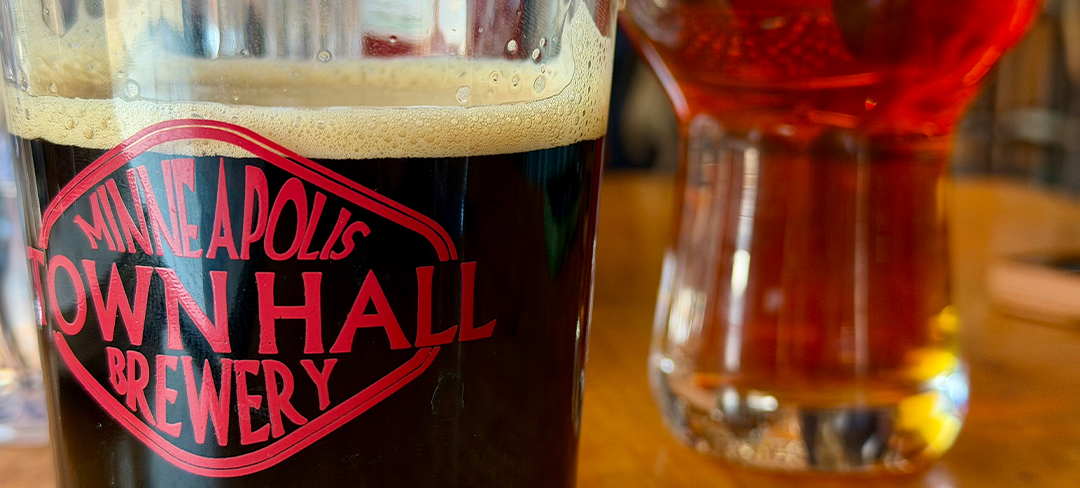
Rahr The Brewer’s Standard™ Pale Ale Features Heavily in Town Hall Beers. We sat down with Head Brewer Derek Brown for the low-down.
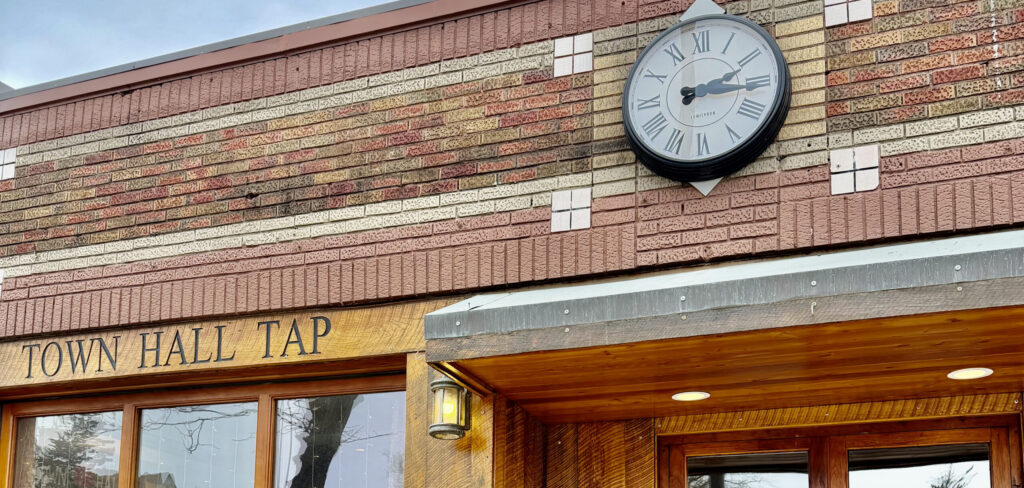
Founded in 1997, Minneapolis’ Town Hall Brewery is known for excellent pub food and killer craft beer. Over the course of almost 30 years, they’ve been awarded more medals at the Great American Beer Festival than any other Minnesota brewery. Today they boast five locations spread across the city, and they enjoy the full support of neighborhood patio enthusiasts. To learn just how they do it, we sat down with Head Brewer Derek Brown and learned about his loyalty to Rahr The Brewer’s Standard™ Pale Ale. Please welcome Derek to the chat!
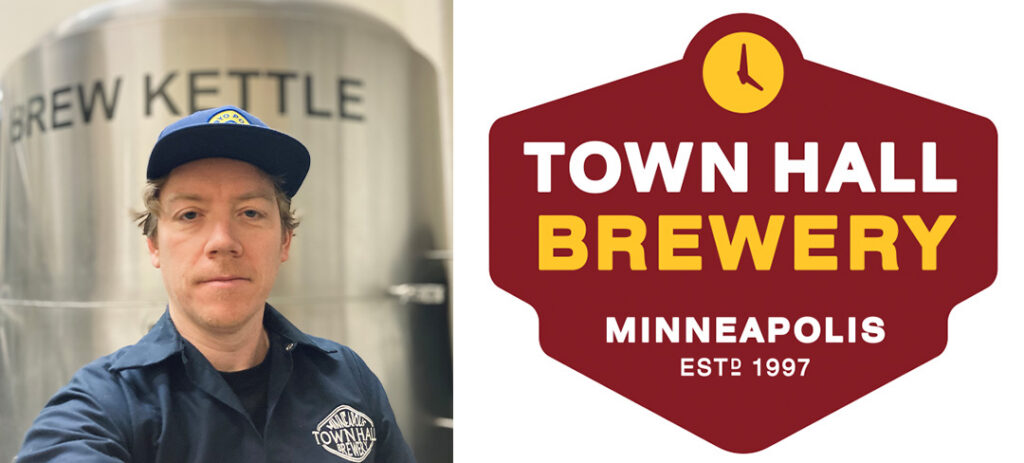
RahrBSG: Hey Derek! First question. What is Town Hall known for?
Derek: Within the beer scene, we’re known for barrel aging. For sure. We do a Barrel-Aged Week every February going back 25 years.
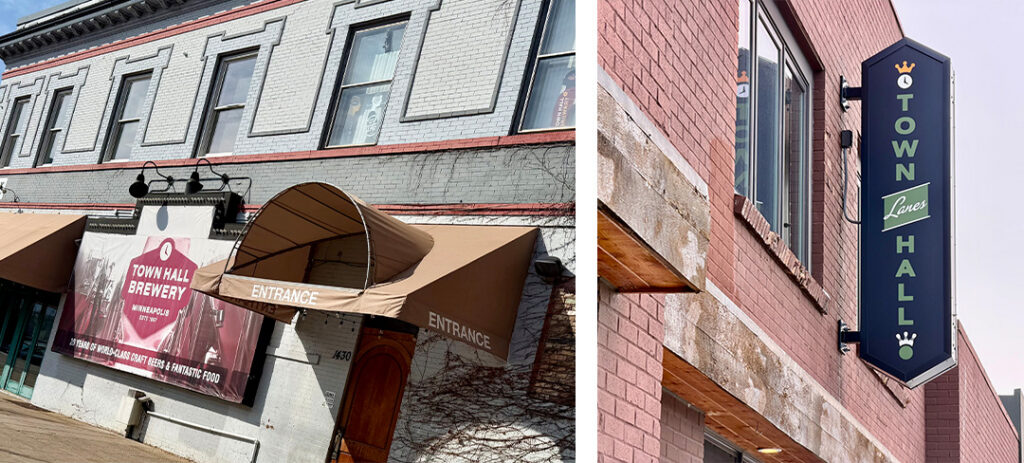
In addition to being a brewery, Town Hall is a group of brewpubs, and we distribute our own beer to our restaurants. Our restaurants are neighborhood hangouts. Each one has their own unique identity and menu items, and for years they’ve been great gathering spots – good safe spaces where you can bring your kids. We make our own root beer. We’ve got a great menu of pub food, and the food options are changing all the time. We’re a good place to hang out and have good beer.
RahrBSG: How did you get into beer and brewing?
Derek: I’m a first-generation American. My family is from England. They’ve really embraced the yellow macro beer here, but around the holidays [growing up] I always noticed that there was this special beer people had for gathering around. And when I became legal drinking age, I got to enjoy that beer with them. Those beers, they stood out to me. London Pride was the beer that did it for me. I wanted to make beer like that at home once I understood that you could do that.
So I just started making a lot of English beer at home, and homebrewing got its claws into me. I discovered there was a brewing school [Siebel] around that same time, and I went all in. I went to Doemens Brewing Academy and never looked back. I’ve been at Town Hall since 2012 or 2013.
RahrBSG: What do you do at Town Hall?
Derek: I am the Head Brewer. Forever it was Mike Hoops, I think since 2000. And then somewhere in the early 2020s he shifted toward focusing on long-term equipment and the barrel-aging program. I work on the barrel-aged beers with Mike, but I wear a lot of hats. I get up early and do line-cleaning sometimes. I fix equipment at the restaurants when it’s needed.
RahrBSG: How do you approach brewing and deciding which beers belong on your menus?
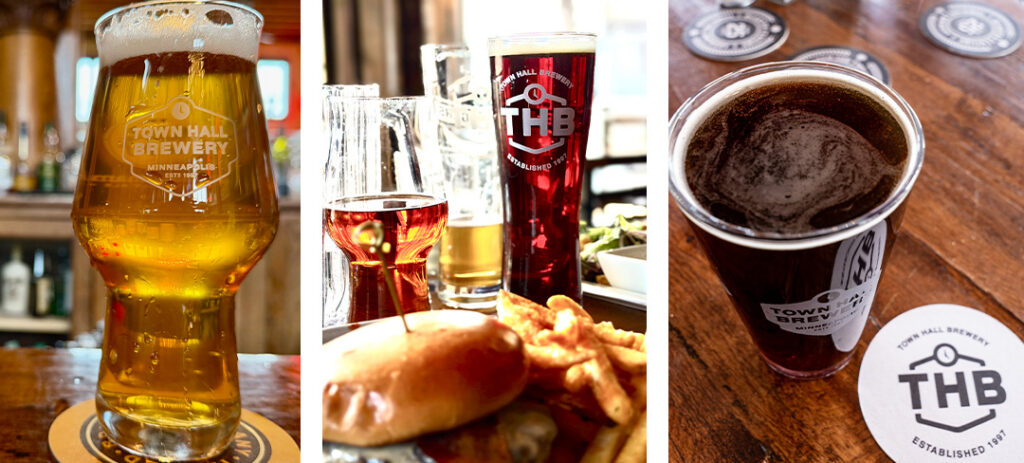
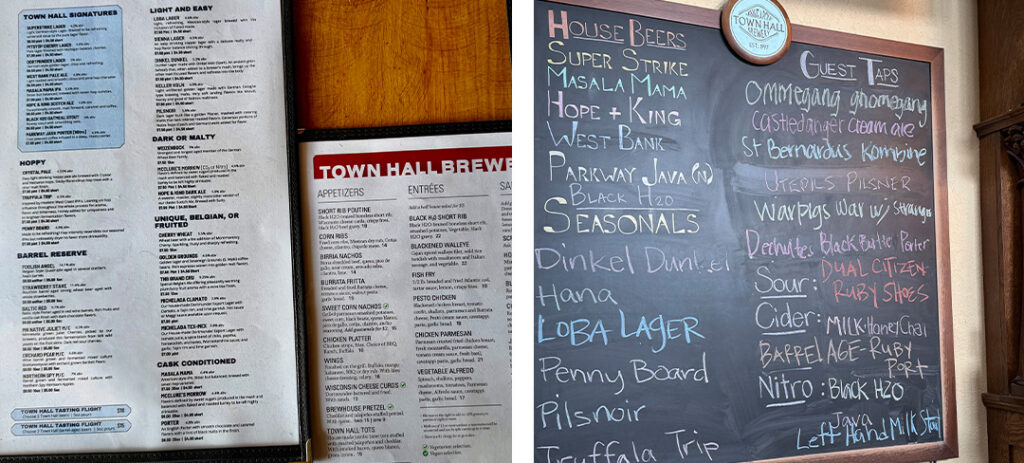
Derek: First, I have to respond to seasons. All brewers know you brew around the season. We have patios at each location, and when those open up, the beer drinkers show up for sure. And their tastes change with the season. One restaurant crowd is really into light beers, another is into darker styles, and another really likes their hoppy cask ales. We have five locations pouring beer at all times, so it’s actually a pretty wide range of beers that we can brew when we stay within the seasons. We have 26 beers on tap all year. We get to play with strong Belgians and mixed-culture beer, but we’re not putting out an Imperial Stout in July. You have to respect every angle – food, weather, anything that can influence what people are drinking.
RahrBSG: You brew several beer styles with Rahr The Brewer’s Standard™ Pale Ale, correct?
Derek: Rahr Pale is in most of our House Signature beers, and it’s been in those longer than I’ve been brewing. And I’ve tried shifting out of Rahr Pale Ale on a few of those. But ultimately, I’ve tried other malts, and I’ve chosen to stick with Rahr Pale Ale in these beers since I’ve been given the reins because these beers work.
And anytime that we’re going outside of our Signature beers, anytime we’re shifting into doing a seasonal style, the first step is looking at the malt. That’s where we start. We can go super dark with Rahr Pale Ale, and we’ve done single malt with Rahr Pale Ale. Combined with old-school hops like Centennial and Cascade, those beers build themselves up really well.
Again, that malt goes a really long way. A beer doesn’t have to be overly hoppy. You know, we don’t — I do one hazy here. When you’re here, you’ve got food and you’ve got bowling and you’ve got other things going on. Having a more robust beer isn’t a bad thing at all. People kind of appreciate that pub ale character, and we can keep pouring them our Pale Ales and House Signature beers. So, like I said, everything we do starts off with the malt.
RahrBSG: That’s a lot of versatility from one malt! What’s your impression of Rahr Pale?
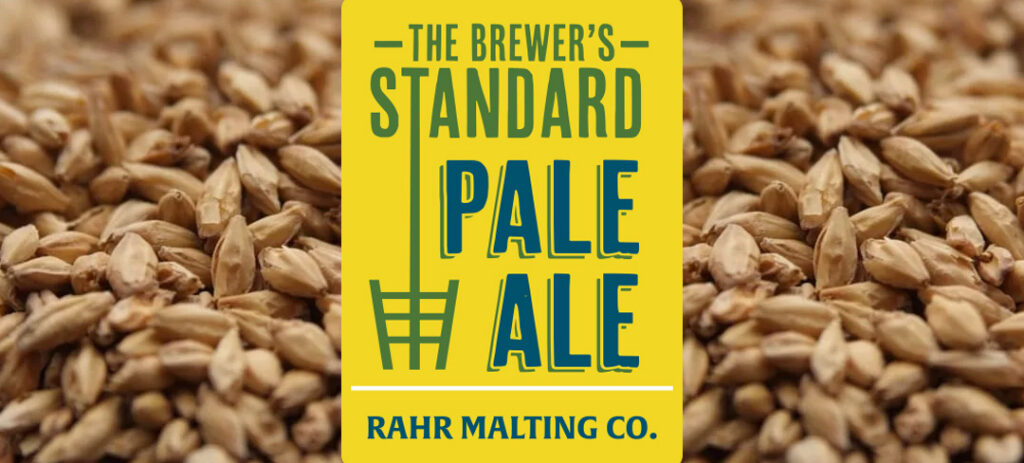
Derek: It’s a great foundation malt. It allows me to turn on the malt character very quickly. It’s kind of like Rahr Pale is waiting for beers to be built on top of it. If I put a splash of specialty [malt] in there, I don’t have to go crazy with it. I’ve actually brewed with a lot more specialty malt in the middle to fill that out that grain bill, and Rahr Pale Ale just does that automatically. It doesn’t require a whole lot of arm twisting to get it shipped into that malt-heavy territory.
So I can use [Rahr Pale] for malt-heavy beers, and it’s got a good sturdy base that we can use to build light hoppy pale ales, heavily hopped double IPAS, even cream ales.
When you consider flavor, availability, freshness, consistency, stability, performance, et cetera. Just all the things that you need to think about in the brewhouse. More often than not, we’re probably going to land on using Rahr Pale. Because I took a lot of time to learn what the malt is capable of and what kinds of beers it can be used for. When I’m in the Ale world, Rahr Pale is my malt.
RahrBSG: Is there a specialty malt you love using with Rahr Pale?
Derek: I really like using Rahr Wheat with Rahr Pale. One of the beers I did at another brewery that sold really well was just White Wheat and Rahr Pale ale. It was a wheat beer with chamomile and honey, and it all just locked together so well. I’m not afraid to put honey into a beer that I’m making with Rahr pale ale. Not every malt likes honey.
RahrBSG: What would you tell a brewer considering brewing with Rahr Pale?
Derek: I would suggest using this malt in ales with little or no specialty additions, and start as dry as you’re comfortable with. Do what you will with yeast flavor, but keep adding a very small percentage of gravity on the back end in your brewhouse [in subsequent brews]. Develop a working IPA or a Pale Ale and then find the range of malt cushion in that final gravity that you’re comfortable working in, whether it be 2.5°, you know all the way up to like 4° left in your in your beer. Then you can start working that into maltier beers, because now you know your range and how much support you’re going to need to build out the rest of the beer.
Again, I would just say start as slow as you can and build up very slowly, because if you’re thinking this is going to work like other malts, where you maybe have to slam a ton of caramel into it, I don’t think you necessarily have to. That’s how I learned this malt. I was very, very slow at stepping it up sweeter and sweeter, starting at a very dry landing spot that I knew worked. This helped me understand how little [specialty malt] I needed to add to just flip that malt character on.
I’ve taken other approaches. We work with Simpsons Finest Golden Promise and Crisp Maris Otter. We use Malting Company of Ireland and Weyermann and Dingemans. And I’ve woven those into beers brewed with Rahr Pale. And whether it’s a 50-50 split or a 70-30 split, Rahr Pale responds the same. It’s funny, it just kind of plugs itself in and hugs whatever I’m using with the Rahr Pale base. It kind of hugs around it and carries it to the finish line. It’s really nice in that aspect.
RahrBSG: What’s the ideal beer for a cold winter afternoon?
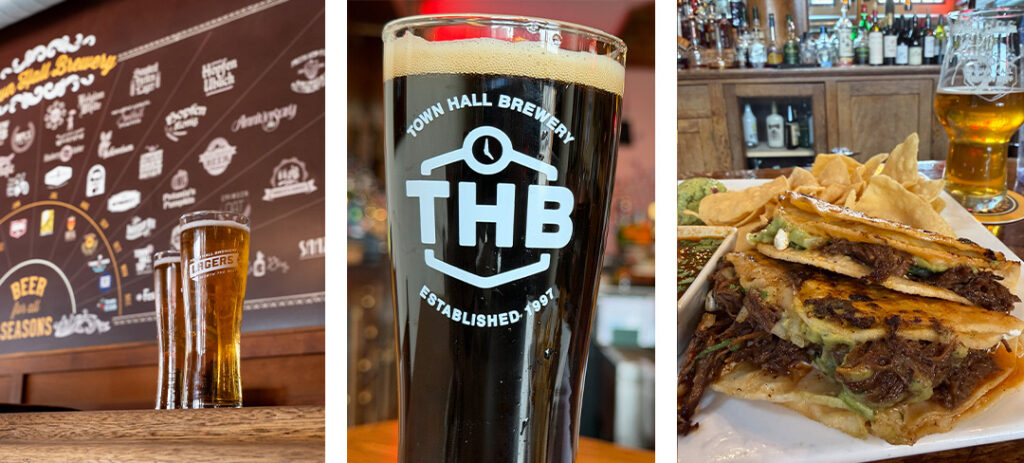
Derek: I’ve seen a resurgence in Crystal hops. You know, we’ve been using that since early on. And I just put a Crystal Pale Ale up in the tank using Rahr Pale Ale. I haven’t had a bad interaction with Crystal hops. The price point’s great on it and it’s a great hop. It goes a long way. That’s nice for a cold afternoon. We also do a Weizenbock that’s 50% Rahr Pale and 50% Rahr Wheat. That recipe has been around a long time. And then we have barleywines built with Rahr Pale… I should mention that.
RahrBSG: And what’s the ideal beer for a sunny spring day on one of your patios?
Derek: We’re gonna start releasing Hefeweizens soon, and you know, beers that are hoppy and dry and not overly sweet work great. Beers at 4.25% to 5.5% ABV. I’ll start ripping out two or three hoppy seasonals like that just to have them ready to go. And those are all built over Rahr Pale Ale.
RahrBSG: As it should be.
Derek: We also have cask beers built with Rahr Pale. And many barrel-aged beers. There’s so much to talk about.
RahrBSG: Thank you, Derek! You’ve really done a great job highlighting Rahr Pale’s versatility. We’re all talking about coming in for a lunch date in the group chat. You’ll see us soon!
Follow Town Hall Brewery on Instagram @townhallbrewery, @townhalltap, @msptownhalllanes, and @townhall_station